
The Major Scientific Challenges Shaping 2026
Science is gearing up to tackle some of the most critical challenges of 2026. From personalized medical breakthroughs to climate solutions and artificial intelligence, research will shape the future. Understanding these challenges is key to seeing how science will transform our everyday lives.
Preconception Counseling Guide for Healthy Pregnancy Outcomes
The Guide to Preconception Counseling and Healthy Pregnancy (2025) by the Spanish General Nursing Council offers a comprehensive framework for preconception and prenatal care within the nursing practice. Its fundamental aim is to detect and mitigate modifiable health, behavioral, and psychosocial risks before conception, enhancing both maternal and perinatal health outcomes.

Integrated psycho-cardiac care: strategies from the 2025 ESC Guidelines
The 2025 ESC Guidelines on Mental Health and Cardiovascular Disease represent a significant step forward in the integration of medical and psychological disciplines. The document highlights the bidirectional relationship between mental disorders and cardiovascular disease: depression, anxiety, and post-traumatic stress disorder increase cardiovascular risk, while living with chronic heart disease raises the likelihood of developing emotional problems.
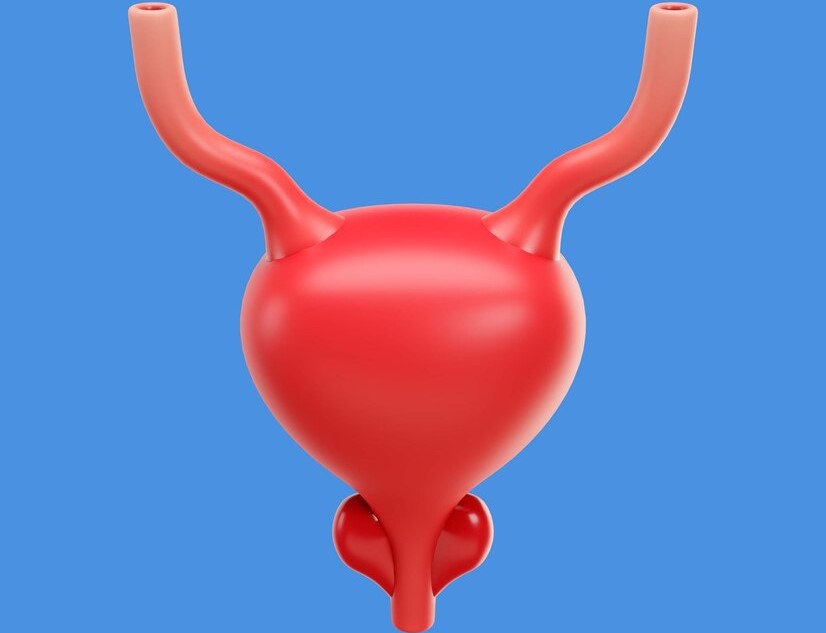
International Research Unveils 2023's Economic Burden of Urinary Incontinence: Over 40 Billion Euros in Continence Care
Recent international research on the economic implications of urinary incontinence reveals that the expenses associated with continence care are projected to exceed 40 billion Euros in 2023. These costs encompass the effects of incontinence on individual health, expenses related to medical consultations and products like continence pads, work absenteeism due to incontinence, etc. Without proactive measures to support continence health, incontinence is poised to evolve into a significant health challenge in Europe, particularly exacerbated by an aging population.
A 2-year Spanish prospective observational cohort study provides further evidence on post-COVID-19 condition
It is estimated that over 5-10% of individuals who have survived COVID-19 experience a post-viral syndrome known as post-COVID-19 condition (PCC), post-acute COVID-19 sequelae (PACS), or "Long COVID”. PCC encompasses a range of persistent, incapacitating symptoms and medical issues that frequently result in physical, social, and psychological impairment, significantly affecting the quality of life for patients. Up to date it remains uncertain whether PCC represents a singular entity or a diverse syndrome with shared underlying pathophysiological factors.
New report reveals major health and economic impact of digestive diseases across Europe
Data from a new pan-European study on the burden of digestive diseases1, presented today at UEG Week 2022 and published in the United European Gastroenterology Journal, highlights a worrying increase in the prevalence of several digestive diseases since 2000. These include chronic liver diseases, pancreatitis, gastroesophageal reflux disease, gastritis, vascular intestinal disorders and coeliac disease in children. In addition, the incidence and mortality rates for all digestive cancers combined have increased by 26% and 17% respectively in the period 2000-2019.

Mediterranean diet improves immunotherapy response rates and progression-free survival in advanced melanoma, new study suggests
Eating a Mediterranean diet, rich in fibre, mono-unsaturated fatty acids and polyphenols, has been associated with improved immunotherapy response rates and progression-free survival in advanced melanoma patients, a new study presented today at UEG Week 2022 has found

STUDY SHOWS COVID-19 INCREASED ANXIETY AND SYMPTOMS FOR ASTHMA SUFFERERS
In the past two years, COVID-19 has provoked anxiety throughout the world for people worried they and their loved ones would get the virus and suffer tragic consequences. Two new studies in Annals of Allergy, Asthma and Immunology, the scientific journal of the American College of Allergy, Asthma and Immunology (ACAAI), showed the different effects of COVID-19 on anxiety. In those with asthma, the pandemic was associated with increased anxiety and asthma symptoms, while in parents of children with food allergies the pandemic led to decreased food allergy related anxiety.

Previous infection with Covid-19 does not affect the chance of success in IVF
Measurements of ovarian reserve ‘showed no variation’ before and after SARS-CoV-2 infection
La dermatitis atópica aumenta en los países desarrollados
La prevalencia de la enfermedad está aumentando, particularmente en las zonas urbanas